CHEAPERthanCHINAmattress_Roll-Packed-Mattress-Manufacturer-Guide-_artikel4_OKT'26

Roll Packed Mattress Manufacturer Guide for Importers and Distributors

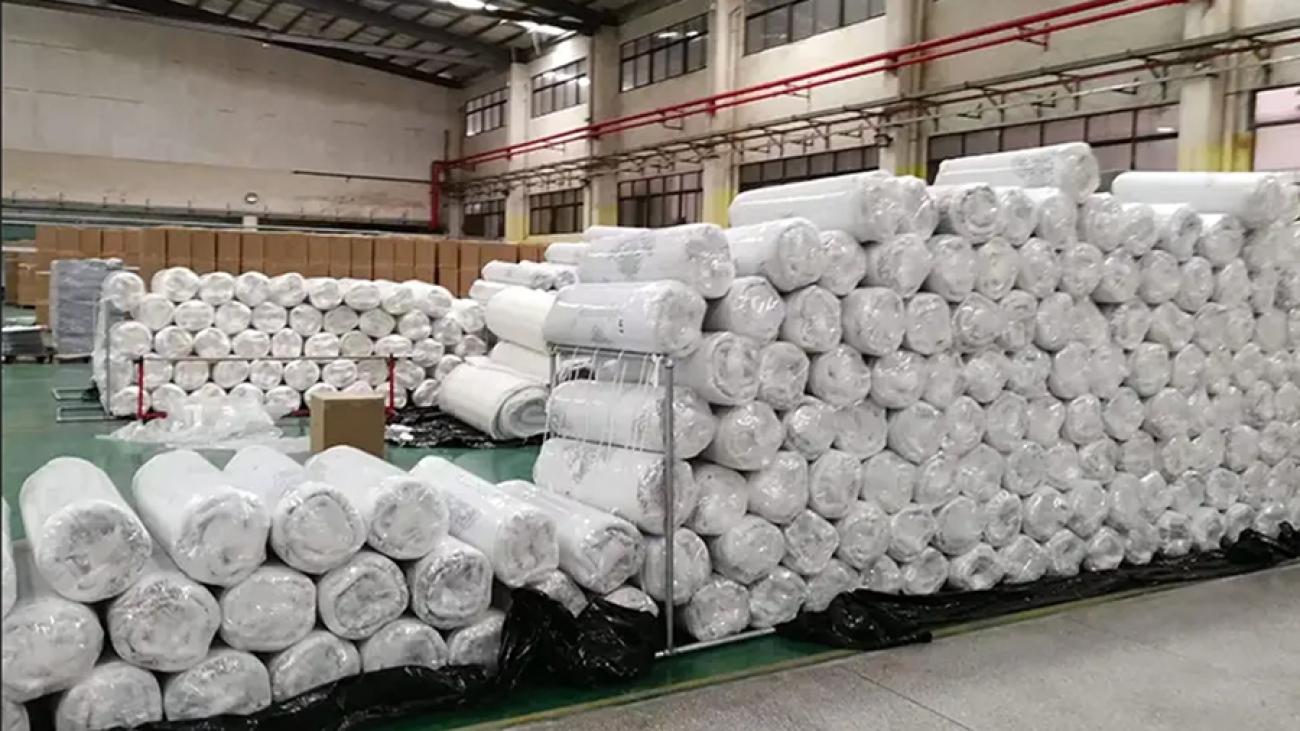
A roll packed mattress manufacturer designs the product and packaging as one system. Compressing a mattress can reduce shipping volume and support boxed distribution, but the process must suit the spring unit, foam layers, cover and expected storage period. A mattress that looks correct before packing may still fail if it does not recover properly after opening.

Importers and distributors should therefore evaluate roll-packed products through a controlled approval process. Cheaper Than China Mattress supports OEM and private-label programs in Indonesia for buyers seeking compressed mattresses for retail, e-commerce, hospitality supply or regional distribution.

Why Roll Packing Changes the Product Brief

The packaging method affects construction decisions. Foam type and thickness, spring design, border support and finished height can influence how the mattress compresses and recovers. The factory should know from the beginning whether the product will be flat packed, folded, rolled or placed in a compact carton.

A roll-packed brief should include the finished mattress size, target carton dimensions, maximum carton weight, required recovery time and expected time in storage. Buyers should also state how the product will move through their distribution network. Parcel delivery, palletized wholesale and project delivery may require different carton strength, labeling and handling instructions.

The goal is not simply the smallest possible carton. Excessive compression can create recovery or appearance problems. Packaging should balance shipping efficiency with product protection and the performance of the approved construction.

Mattress Constructions Suitable for Compression

Foam mattresses are commonly associated with boxed programs because layered foam constructions can be compressed and rolled. Hybrid and pocket spring mattresses can also be roll packed when the design and spring unit support that process. Suitability must be confirmed for the exact model rather than assumed from the product category.

Bonnell spring constructions require specific evaluation because interconnected coils behave differently during compression. The manufacturer should confirm whether the proposed unit, border system and packing method are appropriate. A successful packaging result for one mattress height or size does not automatically apply to every variation.

Cover materials and quilting also matter. Thick quilting, rigid border details or decorative features may respond differently after compression. Buyers should inspect the opened sample for wrinkles, uneven edges, measurement recovery and visual finish.

Recovery Testing and Sample Approval

A meaningful sample review includes both the mattress and its packaging. Record the time between compression and opening, the storage conditions and the measurements taken after opening. Inspect length, width, height, surface appearance, edge shape and general comfort after the agreed recovery period.

If the mattress may remain compressed for weeks or months, the test plan should reflect a realistic storage period. Short tests can confirm basic packaging feasibility, but they may not show how the product behaves after longer storage. Buyers should agree with the factory on the validation method before approving mass production.

Opening instructions reduce customer confusion. The carton or insert should explain safe unpacking, the expected recovery period and any handling precautions. These instructions must use language appropriate for the destination market.

Carton Branding and Distribution Details

A boxed mattress provides a large branding surface, but artwork must also support warehouse and delivery operations. Include the model name, mattress size, barcode, gross and net weight where required, handling symbols, country of origin, batch reference and any legally required information.

Confirm the orientation and position of labels before production. Barcodes should be tested at the intended print size and placed where they remain accessible on pallets or warehouse racks. If several sizes share similar cartons, use clear size identification to reduce picking errors.

Carton strength should match the product weight and distribution route. Long transport, repeated handling or parcel networks may need a different board specification from direct container delivery. The factory and buyer should agree on the packaging standard used for quotation and sample approval.

Comparing Freight Efficiency and Total Landed Cost

Compressed packaging can improve container utilization, but buyers should compare total landed cost rather than shipping volume alone. The calculation should include the mattress price, packaging, inland transport, ocean freight, duties, destination charges, warehousing and final delivery.

Container quantity depends on the carton dimensions, product mix and loading plan. Ask for a loading estimate based on the approved models and sizes. A theoretical count should be confirmed with a practical loading arrangement before it is used for purchasing forecasts.

For mixed-size orders, the most efficient plan may require a specific ratio of cartons. Buyers should share their sales mix early so the manufacturer can assess how the order will load. This helps avoid a situation where the final assortment leaves unusable container space.

Information to Send a Roll Packed Mattress Factory

A complete inquiry should include destination country, mattress type, sizes, finished height, comfort target, material preferences, target carton dimensions, branding needs and estimated quantity. If the buyer already sells a boxed mattress, photographs and the existing specification can provide a useful comparison point.

State whether the priority is lower shipping volume, a particular retail price, parcel compatibility or a premium unboxing experience. The manufacturer can then evaluate the tradeoffs and propose a suitable construction and packaging approach.

Roll-packed mattress sourcing works best when the product, compression method, carton and distribution plan are developed together. A documented approval process protects product consistency and gives the importer a stronger basis for commercial planning.
CHEAPERthanCHINAmattress_Mattress-Components-_artikel3_KT'26

Mattress Components Supplier for Springs Foam Fabric and Nonwoven Materials

A mattress components supplier must provide more than a list of materials. Manufacturers and importers need components that match the product specification, work together during assembly and arrive in a format that fits the production process. Clear technical information is essential because small differences in spring dimensions, foam density, fabric construction or roll width can affect the finished mattress.

Cheaper Than China Mattress supports B2B inquiries for mattress components from Indonesia, including pocket spring units, Bonnell spring units, foam, mattress fabric and nonwoven materials. Buyers can discuss component-only supply or use the same sourcing conversation to evaluate finished OEM mattresses.

Pocket Spring Units

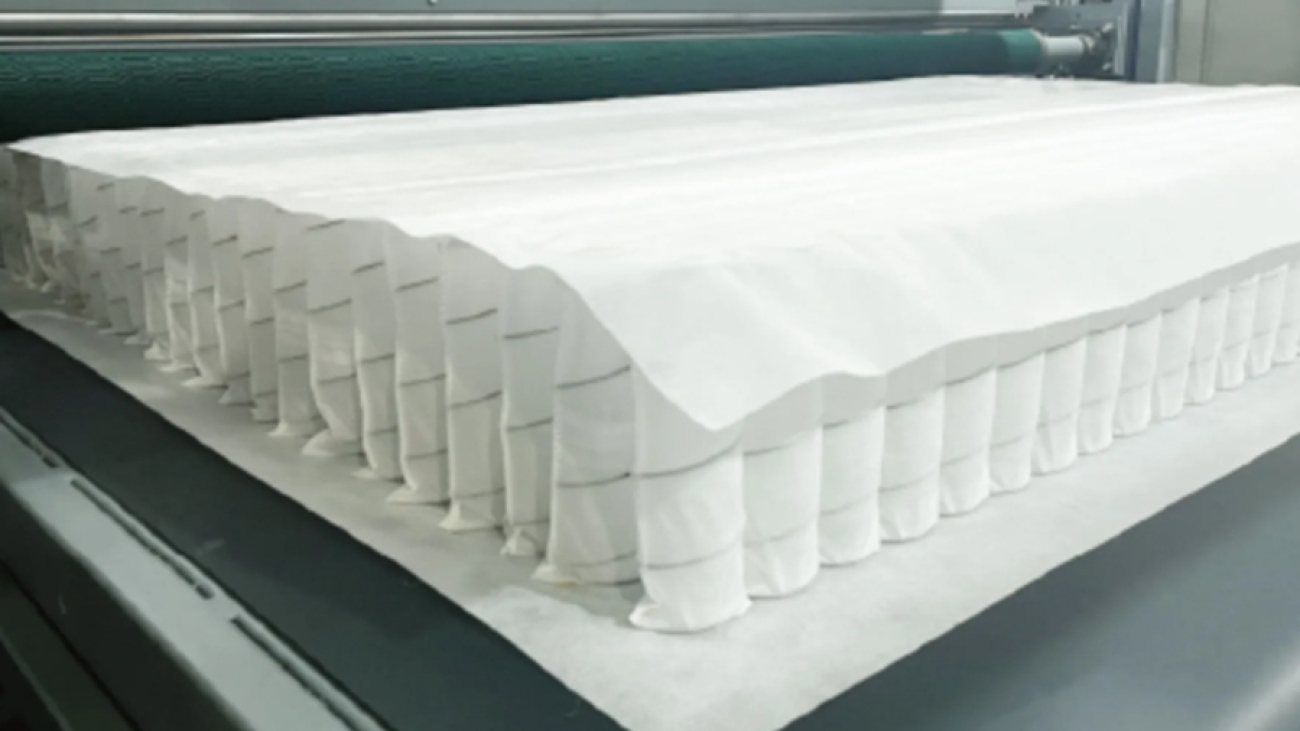
Pocket springs are individually wrapped coils assembled into a unit. They are widely used in mattresses designed to reduce motion transfer and provide more independent support than interconnected spring systems. A component inquiry should specify unit length and width, finished height, wire diameter, coil arrangement, zoning requirements and edge configuration.

Spring count alone does not describe the complete unit. Coil diameter, wire specification, number of turns, pocket material and unit geometry also influence performance. Buyers should compare complete specifications rather than assuming that two units with a similar spring count will feel or perform the same.

Packaging and transport require attention because spring units occupy significant volume. Some configurations may be compressed or rolled for shipment, subject to the design and agreed handling method. Confirm how the units should be stored and opened before they enter mattress production.

Bonnell Spring Units

Bonnell springs use interconnected hourglass-shaped coils and are common in value-oriented mattresses, institutional products and some project specifications. When requesting a quotation, provide the unit dimensions, height, wire diameter, coil count or spacing, border wire requirement and any frame or edge-support details.

The final mattress feel depends on more than the Bonnell unit. Insulator pads, foam layers, quilting and border construction change how the spring system is experienced. Buyers purchasing components should confirm compatibility with their planned mattress build and assembly method.

Consistent dimensions are especially important for production efficiency. The spring unit must fit the foam encasement, border materials and cover without creating excess tension or empty space. Approved tolerances should be recorded in the purchase specification.

Foam for Mattress Production

Foam can be used in quilting, comfort layers, support layers and edge reinforcement. A foam request should state the foam type, density, hardness or firmness measurement, thickness, sheet or roll dimensions, color if relevant and intended use. Density and firmness are different properties, so both may need to be specified.

Compression performance matters for roll-packed products. Foam layers must recover after packaging and should be evaluated as part of the complete mattress, not only as loose material. Storage time, temperature and packaging pressure can affect recovery, so buyers should agree on the test conditions used for approval.

Material substitutions require control. If a specific formulation or performance level is approved, alternatives should not be introduced without written review. This protects product consistency and helps the buyer manage claims or warranty expectations.

Mattress Fabric and Nonwoven Materials

Mattress fabric influences appearance, hand feel, quilting behavior and brand presentation. Buyers should provide the fabric composition, weight, width, pattern, color, finish and roll requirements. If the fabric will be quilted, the design should be tested with the planned backing and filling materials.

Nonwoven materials are used in several mattress applications, including backing, pocket spring production, separators and protective layers. The correct specification depends on the intended function. Weight, width, tensile performance, color and roll length can all be relevant.

Artwork and color approvals should be based on production references. Screen colors are not reliable enough for final approval. For custom fabric, buyers should also confirm repeat size, usable width, minimum production quantity and any setup cost.

How to Prepare a Component Inquiry

Send a separate specification for each component. Include drawings or dimensioned photographs when they clarify the requirement. State the destination, estimated monthly or order quantity, preferred packing and whether the component will be used in the buyer’s own factory or delivered to another assembler.

Ask the supplier to identify the quoted specification clearly and note any assumptions. Samples should represent the proposed production material. Once approved, retain a reference sample and technical record for incoming inspection.

Buyers who need several components can request a coordinated review. Matching spring units, foam, fabric and nonwoven materials within one product plan can reduce compatibility problems and simplify development.

CHEAPERthanCHINAmattress_OEM-Mattress-Manufacturer-for-Private-Label-_artikel2_OKT'26

OEM Mattress Manufacturer for Private Label Brands and Importers

An OEM mattress manufacturer turns a product brief into a repeatable construction that can be produced under the buyer’s brand. The right partner does more than quote a standard model. The factory must understand the target market, price position, comfort direction, material requirements, packaging and order plan before development begins.

Cheaper Than China Mattress works with international importers, distributors, retailers and hospitality buyers that want to develop mattresses in Indonesia. Programs can cover custom sizes, spring or foam constructions, private-label details and packaging for shipment to North America, South America, Africa, Korea, Japan and Europe.

How OEM Mattress Development Works

The process starts with a written product brief. A useful brief identifies the destination market, mattress type, dimensions, finished height, comfort target, key materials, packaging method, expected quantity and target price range. Reference images can help explain the intended appearance, but technical measurements are still required for accurate costing.

The manufacturer reviews the brief and proposes a construction. This may include a pocket spring or Bonnell spring unit, foam layers, quilting materials, border support, fabric and packaging. Each item affects feel, performance, finished height and cost. Buyers should request a specification sheet that records the approved materials and measurements.

Sample development follows the agreed concept. The buyer evaluates the sample for dimensions, comfort, appearance and packaging. Feedback should be specific. Comments such as ‘slightly firmer in the center’ or ‘reduce the finished height by two centimeters’ are more useful than a general request to improve the product. Each approved revision should be documented before mass production.

Private Label Elements That Need Early Approval

Private-label details often take longer than expected because several suppliers may be involved. Woven labels, law labels, printed fabric, embroidery, carton artwork, instruction sheets and roll-pack bags all require artwork and production approval. Brand colors should use defined color references rather than visual descriptions alone.

Packaging must also match the logistics plan. A mattress may be flat packed, compressed, folded or roll packed depending on its construction and the buyer’s distribution model. Carton dimensions, barcode placement, shipping marks and pallet configuration should be confirmed before the final production schedule is approved.

Destination-market labeling and fire-safety rules vary. Buyers should provide the required legal text, testing standard and responsible-party information. The factory can apply approved labels, but the buyer should confirm compliance with qualified local advisers or laboratories.

Choosing the Right Mattress Construction

Pocket spring mattresses use individually wrapped coils and are commonly selected for differentiated comfort and reduced motion transfer. Bonnell spring mattresses use an interconnected coil system that can support value-focused ranges and volume programs. Foam mattresses allow flexible layer combinations, while hybrid mattresses combine springs and foam for a broader comfort proposition.

The best construction depends on the intended customer and retail position. A hotel project may prioritize repeatable firmness and durability. A boxed mattress program may prioritize recovery after compression and efficient parcel dimensions. A premium retail line may require more complex comfort layers and a distinctive cover design.

An OEM mattress manufacturer should explain how each design choice affects cost and production. Buyers can then decide which features create customer value and which add complexity without improving the market proposition.

Commercial Details to Confirm Before Ordering

A quotation should state the model, sizes, materials, packaging, quantity basis, payment terms and delivery basis. Confirm whether sample charges, printing plates, labels, testing, pallets or special cartons are included. Freight estimates should be treated separately unless the quotation clearly states the shipping scope and validity period.

Minimum order quantities depend on the construction, material availability, packaging and production plan. Rather than assuming a fixed MOQ for every model, provide the expected mix of sizes and ask the factory to propose an efficient order structure. Consolidating fabrics or components across several models can sometimes simplify purchasing and production.

Lead time should be confirmed after sample approval, artwork approval and deposit requirements are complete. Production schedules can change with material availability and seasonal demand, so buyers should build a reasonable buffer into launch plans.

Building a Repeatable Private Label Program

Long-term programs depend on controlled specifications. Keep the latest approved construction sheet, sample reference, artwork files, packaging instructions and inspection criteria in one record. When a revision is accepted, update the version number and effective date so that the factory and buyer work from the same information.

Agree on the checks required before shipment. These may include dimensions, visual workmanship, label placement, packaging condition and quantity. More technical performance checks should follow the applicable product standard and an agreed testing method.

A structured development process helps both sides move faster. It reduces repeated questions, prevents silent specification changes and gives the buyer a clearer view of what will be produced under the brand.

CHEAPERthanCHINAmattress_Mattress-Manufacturer-Indonesia-_artikel1_OKT'26

Mattress Manufacturer Indonesia for Global Buyers and China Plus One Sourcing

Global mattress buyers are reviewing where and how they source finished mattresses. Cost remains important, but reliable production, clear communication, product flexibility and export preparation now carry equal weight. An experienced mattress manufacturer in Indonesia can give importers and private-label brands another production base while supporting a broader China Plus One sourcing strategy.

Cheaper Than China Mattress connects international buyers with mattress manufacturing in Indonesia for OEM, ODM and private-label programs. The objective is practical: help buyers compare constructions, materials, packaging and target pricing before committing to a production plan. This approach is relevant to distributors, retailers, hospitality suppliers and project buyers serving North America, South America, Africa, Korea, Japan and Europe.

Why Global Buyers Are Evaluating Indonesia

A sourcing decision should reduce commercial risk rather than simply move it from one country to another. Indonesia offers an established manufacturing base, access to raw materials and a workforce familiar with labor-intensive production. For mattress buyers, the country can support spring, foam, hybrid, hotel and roll-packed constructions alongside packaging and private-label requirements.

A China Plus One strategy does not always mean replacing an existing supplier. Many companies begin by qualifying a second production source for selected models, markets or seasonal demand. This creates an alternative when capacity, freight, tariffs or delivery schedules change. It also gives purchasing teams a clearer basis for comparing total landed cost instead of relying only on the factory price.

Import duties and trade rules vary by destination and can change. Buyers should confirm the current tariff classification, origin rules and import requirements with a customs broker before placing an order. A manufacturer should provide accurate product descriptions and shipping documents, but the importer remains responsible for compliance in the destination market.

What to Evaluate in a Mattress Manufacturer

The first factory discussion should cover the product specification in detail. Important points include mattress dimensions, spring system, foam type and density, comfort layers, fabric, quilting pattern, edge support, finished height, fire or labeling requirements, packaging method and target order quantity. A clear specification helps the factory propose a workable construction and prevents price comparisons between products that are not equivalent.

Buyers should also ask how samples, revisions and approvals are managed. A dependable development process records changes to materials, measurements, firmness, appearance and packaging. This is especially important for private-label orders because the approved sample becomes the reference for production. Confirm which features are fixed, which can vary within manufacturing tolerances and which require written approval before substitution.

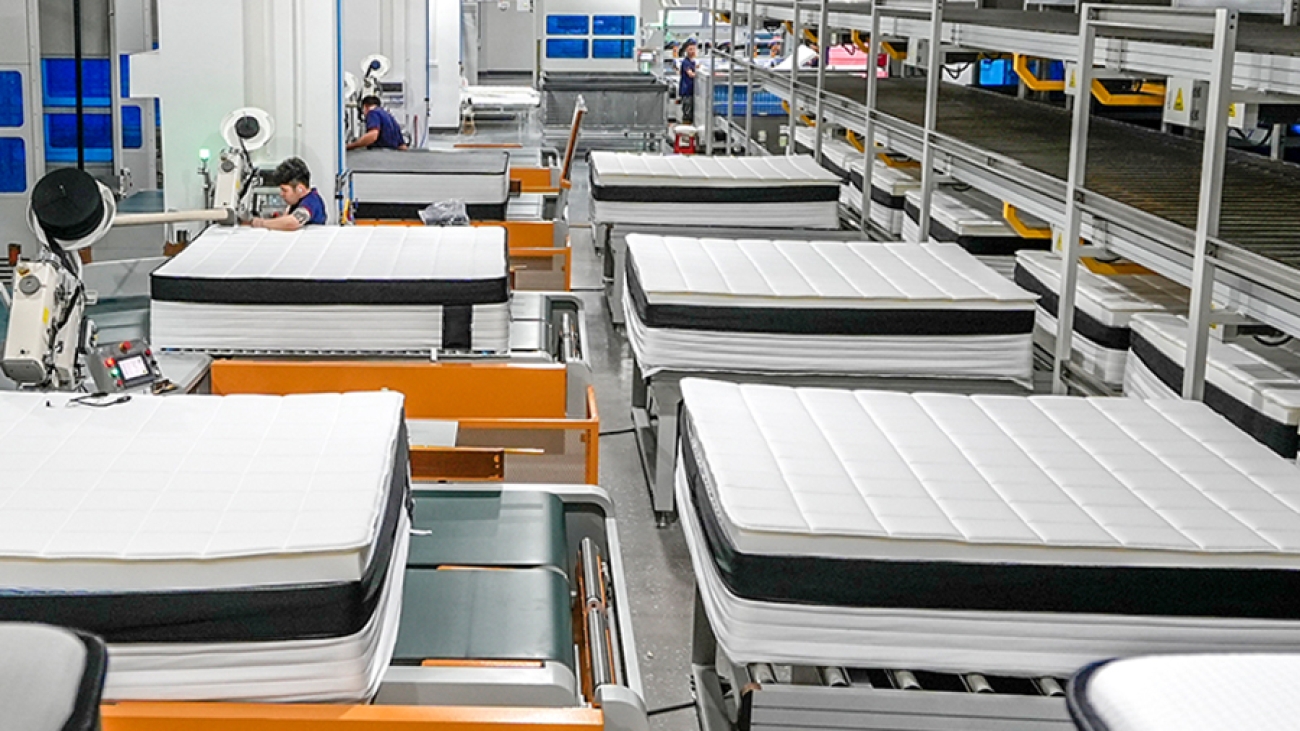
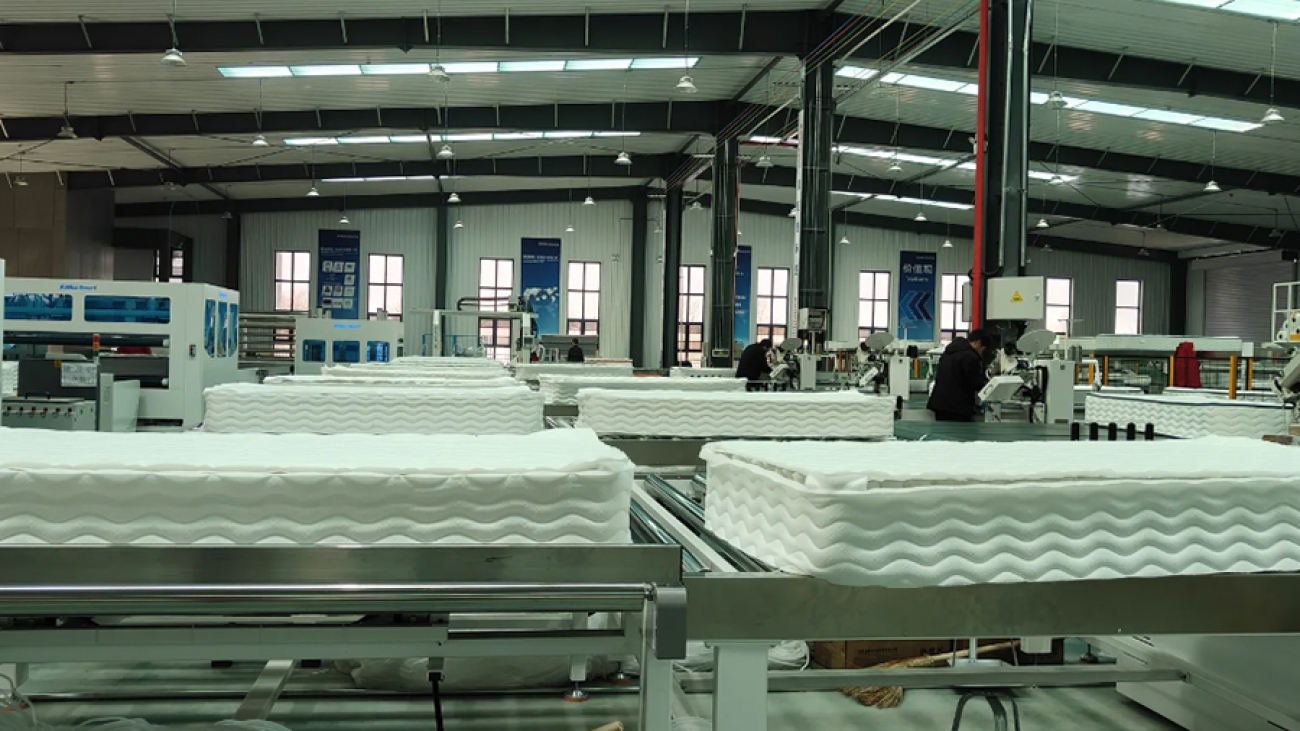
Production visibility matters. Factory images, process explanations and inspection checkpoints help a buyer understand how materials move through quilting, foam preparation, mattress assembly, quality inspection, compression, packing and export preparation. These details do not replace an audit, but they make early supplier qualification more efficient.

Product Options for Different Markets

International markets do not all require the same product. Pocket spring mattresses can support motion isolation and targeted comfort positioning. Bonnell spring models can suit value-focused retail or project programs. Foam and hybrid constructions allow buyers to adjust feel, height and material combinations. Hotel and project mattresses may require a different balance of durability, comfort and budget than consumer retail models.

Roll-packed mattresses are often selected when logistics efficiency is a priority. Compression and rolling can reduce shipping volume, but the construction must be designed and tested for that packaging method. Buyers should confirm recovery expectations, storage guidance and the maximum recommended time in compressed packaging.

The product range should follow the needs of the destination market. Retail price, room type, climate, customer preference, warranty position and local regulations all affect the final specification. A useful manufacturer asks about these conditions before recommending a construction.

OEM and Private Label Development

OEM manufacturing allows a buyer to define the product while the factory manages production. Private-label programs may also include brand labels, care labels, cartons, roll-pack bags and other packaging elements. The process normally begins with a brief covering the target market, product concept, expected order volume and price range.

A factory quotation should identify the main construction, size, material assumptions, packaging and commercial terms. If the quoted specification changes, the price may change as well. Buyers should compare quotations line by line and request clarification whenever two offers use different foam densities, spring counts, fabric weights or packaging methods.

Cheaper Than China Mattress supports early-stage comparison for buyers who want to evaluate an Indonesian manufacturing alternative. Buyers can submit an existing specification, current supplier price or a new product brief to begin the discussion.

Preparing for a Productive Factory Inquiry

A complete inquiry saves time for both sides. Include the destination country, required mattress sizes, preferred construction, firmness or comfort target, fabric direction, packaging method, estimated quantity and requested delivery schedule. If the project is confidential, identify which documents require controlled handling.

It is also useful to state whether the request is for a quotation, sample development, supplier comparison or an active purchase program. The factory can then respond with the appropriate level of detail. Buyers who are still defining the product can begin with a reference model and target retail segment.

Indonesia can be a practical sourcing option for companies seeking an additional mattress production base. The strongest results come from a clear specification, realistic commercial assumptions and direct communication throughout development and production.