
A mattress components supplier must provide more than a list of materials. Manufacturers and importers need components that match the product specification, work together during assembly and arrive in a format that fits the production process. Clear technical information is essential because small differences in spring dimensions, foam density, fabric construction or roll width can affect the finished mattress.
Cheaper Than China Mattress supports B2B inquiries for mattress components from Indonesia, including pocket spring units, Bonnell spring units, foam, mattress fabric and nonwoven materials. Buyers can discuss component-only supply or use the same sourcing conversation to evaluate finished OEM mattresses.
Pocket Spring Units
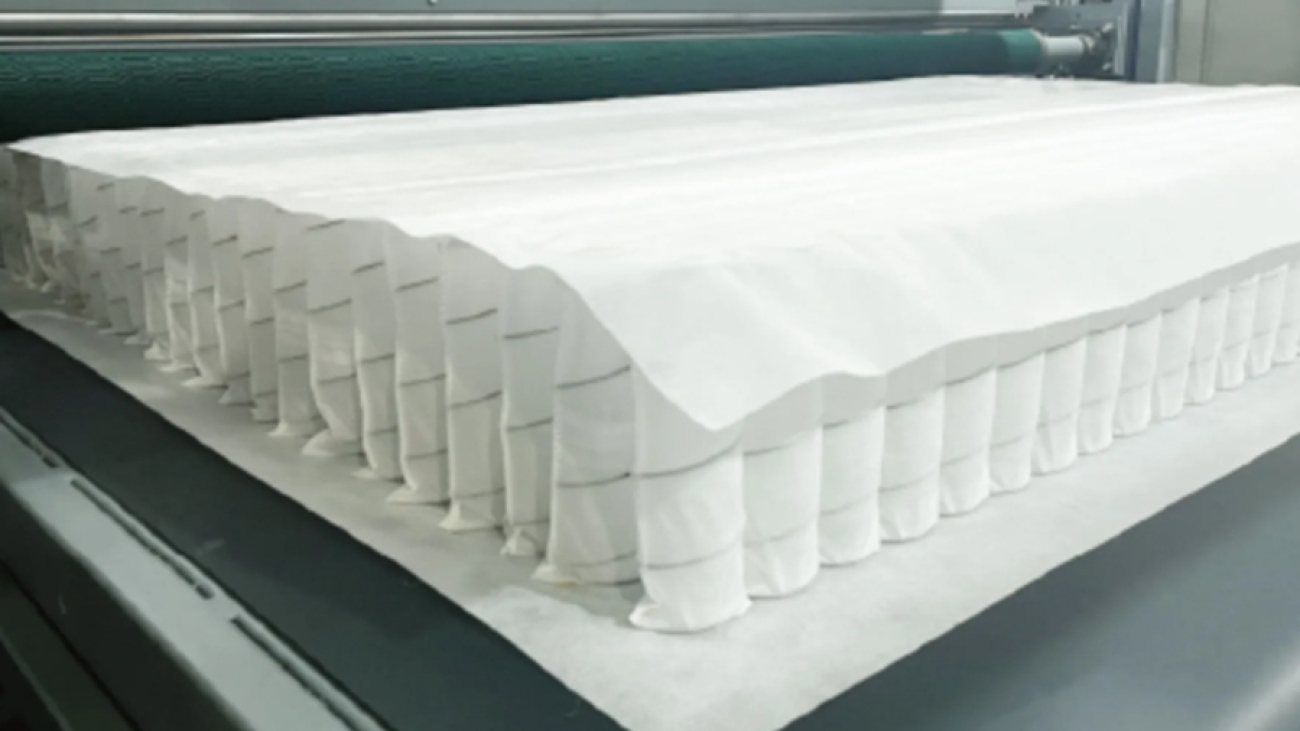
Pocket springs are individually wrapped coils assembled into a unit. They are widely used in mattresses designed to reduce motion transfer and provide more independent support than interconnected spring systems. A component inquiry should specify unit length and width, finished height, wire diameter, coil arrangement, zoning requirements and edge configuration.
Spring count alone does not describe the complete unit. Coil diameter, wire specification, number of turns, pocket material and unit geometry also influence performance. Buyers should compare complete specifications rather than assuming that two units with a similar spring count will feel or perform the same.
Packaging and transport require attention because spring units occupy significant volume. Some configurations may be compressed or rolled for shipment, subject to the design and agreed handling method. Confirm how the units should be stored and opened before they enter mattress production.
Bonnell Spring Units
Bonnell springs use interconnected hourglass-shaped coils and are common in value-oriented mattresses, institutional products and some project specifications. When requesting a quotation, provide the unit dimensions, height, wire diameter, coil count or spacing, border wire requirement and any frame or edge-support details.
The final mattress feel depends on more than the Bonnell unit. Insulator pads, foam layers, quilting and border construction change how the spring system is experienced. Buyers purchasing components should confirm compatibility with their planned mattress build and assembly method.
Consistent dimensions are especially important for production efficiency. The spring unit must fit the foam encasement, border materials and cover without creating excess tension or empty space. Approved tolerances should be recorded in the purchase specification.
Foam for Mattress Production
Foam can be used in quilting, comfort layers, support layers and edge reinforcement. A foam request should state the foam type, density, hardness or firmness measurement, thickness, sheet or roll dimensions, color if relevant and intended use. Density and firmness are different properties, so both may need to be specified.
Compression performance matters for roll-packed products. Foam layers must recover after packaging and should be evaluated as part of the complete mattress, not only as loose material. Storage time, temperature and packaging pressure can affect recovery, so buyers should agree on the test conditions used for approval.
Material substitutions require control. If a specific formulation or performance level is approved, alternatives should not be introduced without written review. This protects product consistency and helps the buyer manage claims or warranty expectations.
Mattress Fabric and Nonwoven Materials
Mattress fabric influences appearance, hand feel, quilting behavior and brand presentation. Buyers should provide the fabric composition, weight, width, pattern, color, finish and roll requirements. If the fabric will be quilted, the design should be tested with the planned backing and filling materials.
Nonwoven materials are used in several mattress applications, including backing, pocket spring production, separators and protective layers. The correct specification depends on the intended function. Weight, width, tensile performance, color and roll length can all be relevant.
Artwork and color approvals should be based on production references. Screen colors are not reliable enough for final approval. For custom fabric, buyers should also confirm repeat size, usable width, minimum production quantity and any setup cost.
How to Prepare a Component Inquiry
Send a separate specification for each component. Include drawings or dimensioned photographs when they clarify the requirement. State the destination, estimated monthly or order quantity, preferred packing and whether the component will be used in the buyer’s own factory or delivered to another assembler.
Ask the supplier to identify the quoted specification clearly and note any assumptions. Samples should represent the proposed production material. Once approved, retain a reference sample and technical record for incoming inspection.
Buyers who need several components can request a coordinated review. Matching spring units, foam, fabric and nonwoven materials within one product plan can reduce compatibility problems and simplify development.