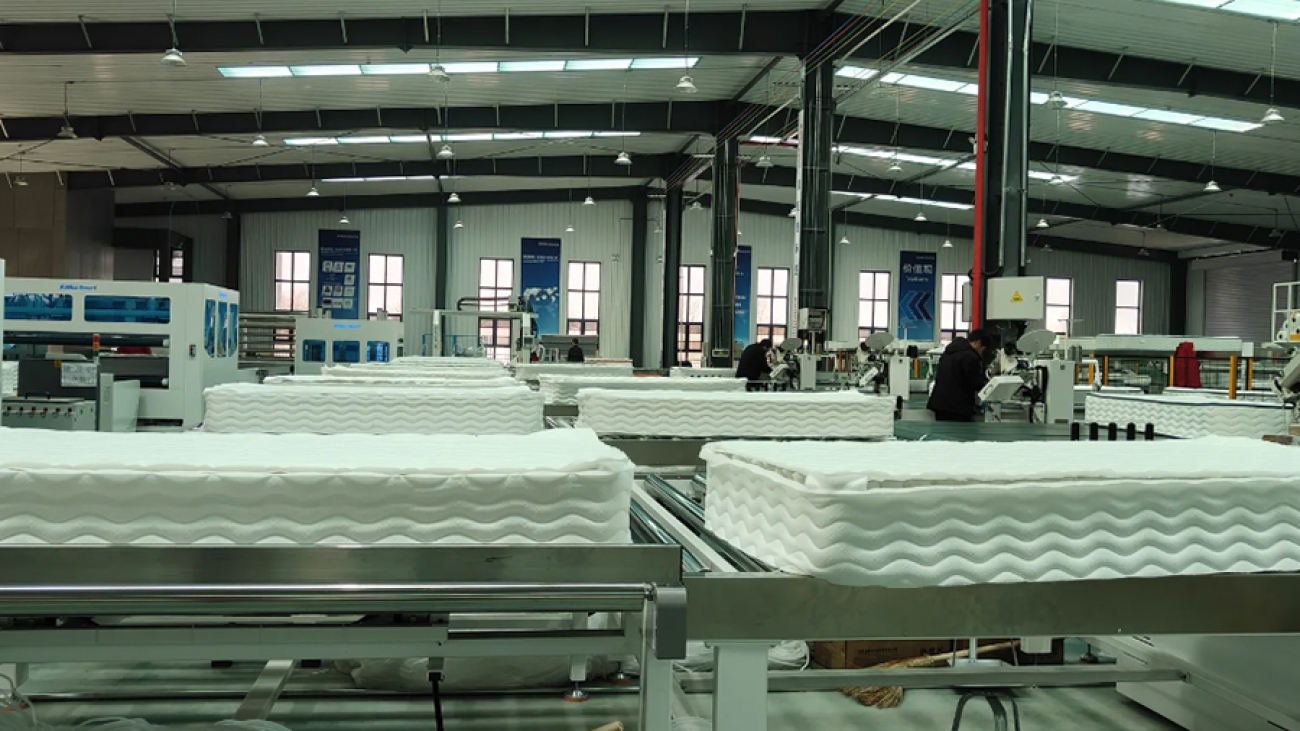
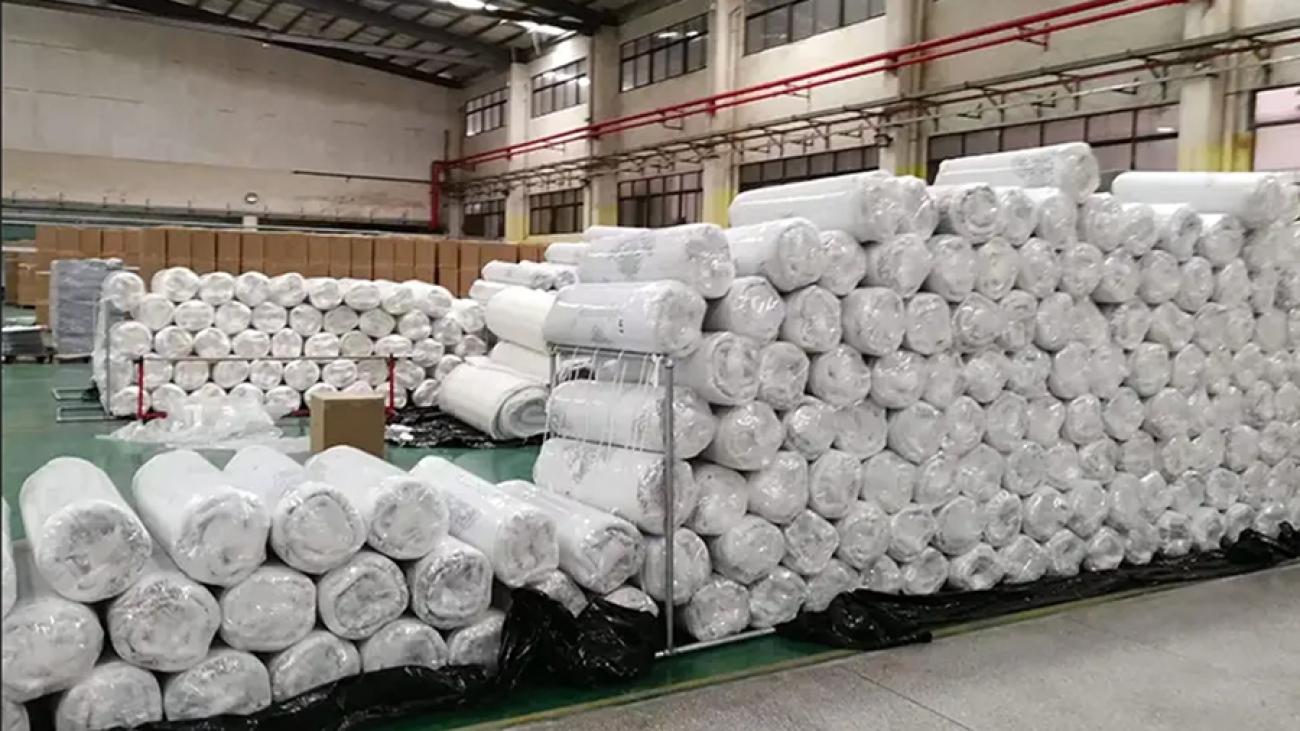
A roll packed mattress manufacturer designs the product and packaging as one system. Compressing a mattress can reduce shipping volume and support boxed distribution, but the process must suit the spring unit, foam layers, cover and expected storage period. A mattress that looks correct before packing may still fail if it does not recover properly after opening.
Importers and distributors should therefore evaluate roll-packed products through a controlled approval process. Cheaper Than China Mattress supports OEM and private-label programs in Indonesia for buyers seeking compressed mattresses for retail, e-commerce, hospitality supply or regional distribution.
Why Roll Packing Changes the Product Brief
The packaging method affects construction decisions. Foam type and thickness, spring design, border support and finished height can influence how the mattress compresses and recovers. The factory should know from the beginning whether the product will be flat packed, folded, rolled or placed in a compact carton.
A roll-packed brief should include the finished mattress size, target carton dimensions, maximum carton weight, required recovery time and expected time in storage. Buyers should also state how the product will move through their distribution network. Parcel delivery, palletized wholesale and project delivery may require different carton strength, labeling and handling instructions.
The goal is not simply the smallest possible carton. Excessive compression can create recovery or appearance problems. Packaging should balance shipping efficiency with product protection and the performance of the approved construction.
Mattress Constructions Suitable for Compression
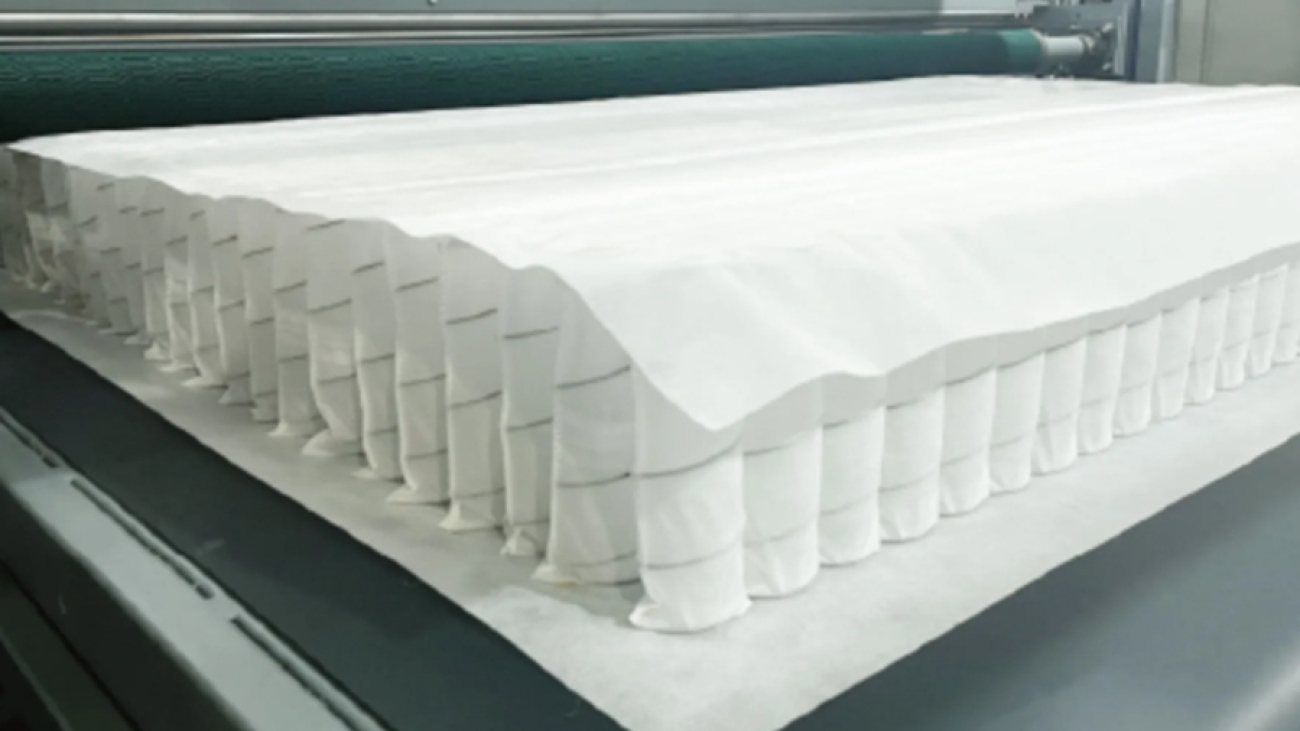
Foam mattresses are commonly associated with boxed programs because layered foam constructions can be compressed and rolled. Hybrid and pocket spring mattresses can also be roll packed when the design and spring unit support that process. Suitability must be confirmed for the exact model rather than assumed from the product category.
Bonnell spring constructions require specific evaluation because interconnected coils behave differently during compression. The manufacturer should confirm whether the proposed unit, border system and packing method are appropriate. A successful packaging result for one mattress height or size does not automatically apply to every variation.
Cover materials and quilting also matter. Thick quilting, rigid border details or decorative features may respond differently after compression. Buyers should inspect the opened sample for wrinkles, uneven edges, measurement recovery and visual finish.
Recovery Testing and Sample Approval
A meaningful sample review includes both the mattress and its packaging. Record the time between compression and opening, the storage conditions and the measurements taken after opening. Inspect length, width, height, surface appearance, edge shape and general comfort after the agreed recovery period.
If the mattress may remain compressed for weeks or months, the test plan should reflect a realistic storage period. Short tests can confirm basic packaging feasibility, but they may not show how the product behaves after longer storage. Buyers should agree with the factory on the validation method before approving mass production.
Opening instructions reduce customer confusion. The carton or insert should explain safe unpacking, the expected recovery period and any handling precautions. These instructions must use language appropriate for the destination market.
Carton Branding and Distribution Details
A boxed mattress provides a large branding surface, but artwork must also support warehouse and delivery operations. Include the model name, mattress size, barcode, gross and net weight where required, handling symbols, country of origin, batch reference and any legally required information.
Confirm the orientation and position of labels before production. Barcodes should be tested at the intended print size and placed where they remain accessible on pallets or warehouse racks. If several sizes share similar cartons, use clear size identification to reduce picking errors.
Carton strength should match the product weight and distribution route. Long transport, repeated handling or parcel networks may need a different board specification from direct container delivery. The factory and buyer should agree on the packaging standard used for quotation and sample approval.
Comparing Freight Efficiency and Total Landed Cost
Compressed packaging can improve container utilization, but buyers should compare total landed cost rather than shipping volume alone. The calculation should include the mattress price, packaging, inland transport, ocean freight, duties, destination charges, warehousing and final delivery.
Container quantity depends on the carton dimensions, product mix and loading plan. Ask for a loading estimate based on the approved models and sizes. A theoretical count should be confirmed with a practical loading arrangement before it is used for purchasing forecasts.
For mixed-size orders, the most efficient plan may require a specific ratio of cartons. Buyers should share their sales mix early so the manufacturer can assess how the order will load. This helps avoid a situation where the final assortment leaves unusable container space.
Information to Send a Roll Packed Mattress Factory
A complete inquiry should include destination country, mattress type, sizes, finished height, comfort target, material preferences, target carton dimensions, branding needs and estimated quantity. If the buyer already sells a boxed mattress, photographs and the existing specification can provide a useful comparison point.
State whether the priority is lower shipping volume, a particular retail price, parcel compatibility or a premium unboxing experience. The manufacturer can then evaluate the tradeoffs and propose a suitable construction and packaging approach.
Roll-packed mattress sourcing works best when the product, compression method, carton and distribution plan are developed together. A documented approval process protects product consistency and gives the importer a stronger basis for commercial planning.